Winter 2026–27
Plug-in & small space heaters
The compact heaters in your feed promise whole-room warmth and lower bills. We look at the wattage, the real cost per hour, the safety basics and what buyers actually report.
3 guides · by Hatim · sources linked on every page
HeatSpace: Plug-and-go warmth with a long return window
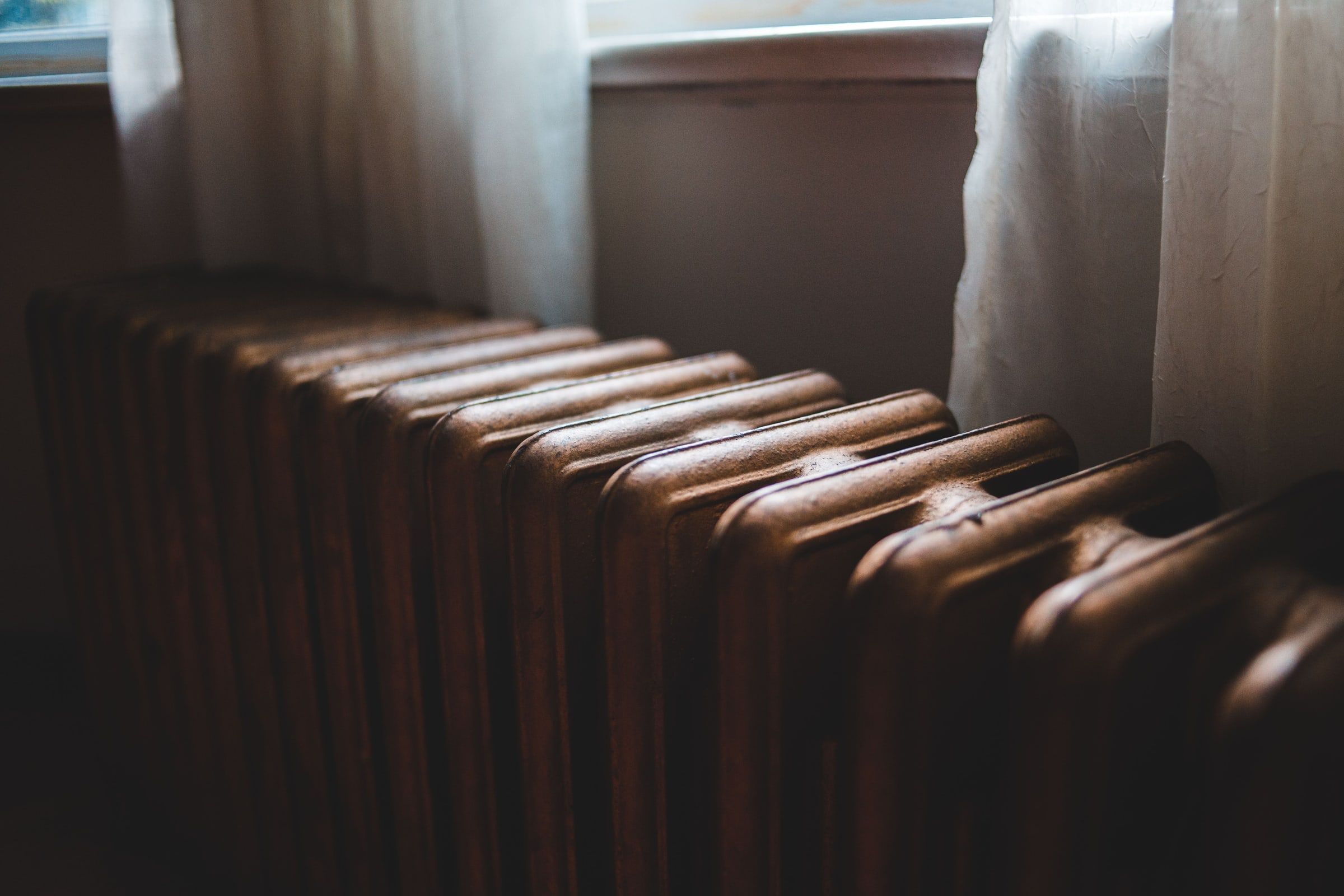
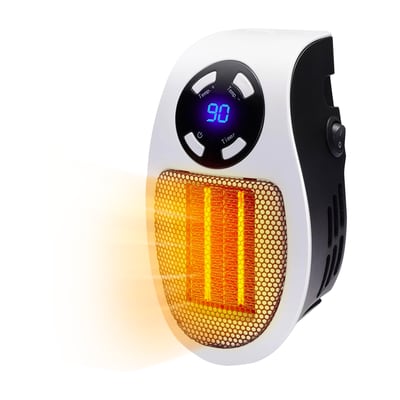
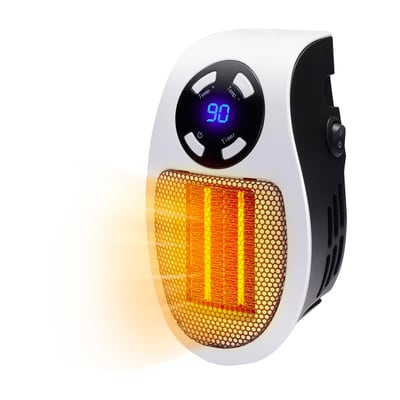
Best for: warming one small spot — a chilly bathroom, a desk, a bedside while you’re awake — with nothing to install.
Affiliate link · opens the official seller site · disclosure
On this shelf
Guides & verdicts
- 01
- 02
- 03
Buying guide
Before you buy: 4 things that matter
- 01
Size it to the space, not the ad
Heat output follows watts. A 350–500 W plug-in warms the area around a desk or a small bathroom; a 1,500 W space heater — the usual maximum for a standard U.S. 120 V outlet — suits a small room. No heater “heats a whole house” from one outlet.
- 02
Running cost is simple math
Watts ÷ 1,000 × hours × your electricity price. At the U.S. average residential rate (EIA), a 500 W heater costs about 9¢ an hour and a 1,500 W one about 27¢. Savings only come from heating one spot and turning the thermostat down.
- 03
Safety marks and shut-offs
Look for a UL, ETL or CSA listing mark on the unit, plus overheat and tip-over protection. NFPA and the U.S. Fire Administration say: plug straight into the wall (no extension cords), keep 3 feet clear, and switch it off when you leave or sleep.
- 04
Read the return terms first
Many heaters sold through ads ship from third-party stores. Before you pay, check the return window, who pays return shipping and any restocking fee — and keep the box.
Full detail, with costs by state: Are Plug-In Heaters Worth It? Yes — Used the Smart Way
Quick answers
What size heater do I need for a small room?
As a rough U.S. rule of thumb, about 10 W per square foot: a 150 sq ft bedroom needs around 1,500 W. A 350–500 W plug-in is for spot warmth — a desk, a chair or a small bathroom — not a whole room.
Are plug-in wall heaters safe?
They can be when they carry a UL, ETL or CSA mark, have overheat protection, plug directly into a wall outlet and are switched off when you leave the room or go to sleep, as NFPA advises.
Do small heaters lower your electric bill?
Only if you use one to warm the spot you’re in while turning the central thermostat down. Every electric resistance heater converts power to heat at about the same efficiency, so no model is “energy-saving” on its own.